Introduction
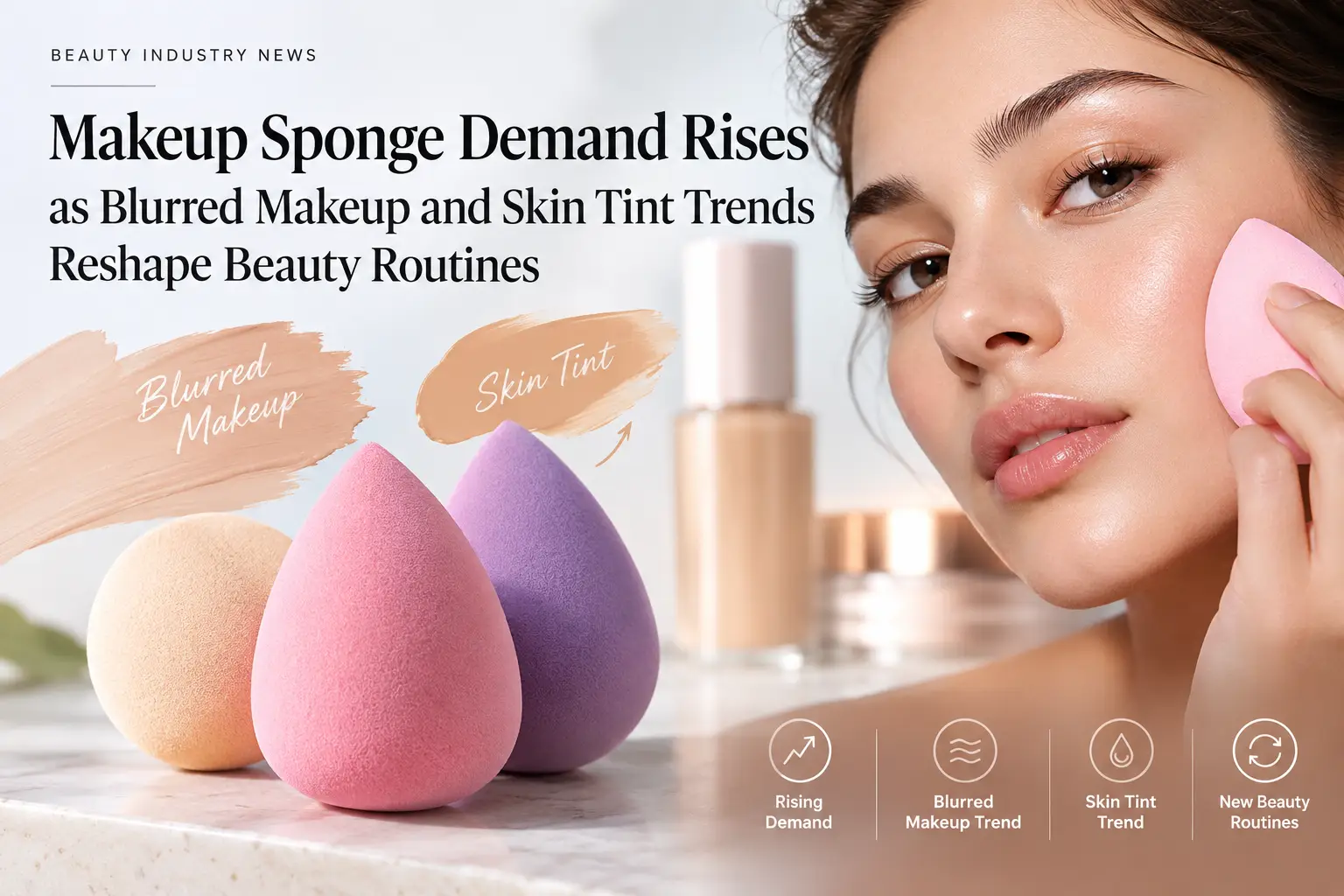
A makeup sponge is more than a simple beauty tool. It can change the way foundation sits on the skin, how concealer blends under the eyes, and how natural the final makeup look appears. As consumers continue to prefer smooth, lightweight, and skin-like makeup, the makeup sponge has become a must-have item in daily beauty routines.
For beauty brands, online retailers, and cosmetic suppliers, makeup sponges are also an important product category. They are affordable, easy to customize, and suitable for repeat purchases. Understanding how customers choose and use makeup sponges can help businesses create better product pages, stronger marketing content, and more competitive product lines.
What Makes a Makeup Sponge Different?
A makeup sponge is designed to apply and blend cosmetic products without leaving harsh lines. Compared with fingers or brushes, a sponge can provide a softer and more even finish.
Most modern makeup sponges are made from soft, latex-free foam. When used damp, the sponge expands and becomes more flexible. This helps reduce product absorption while allowing foundation or concealer to blend smoothly into the skin.
The best makeup sponge should feel soft, elastic, and comfortable. It should not tear easily, smell unpleasant, or become hard after washing.
Main Types of Makeup Sponges
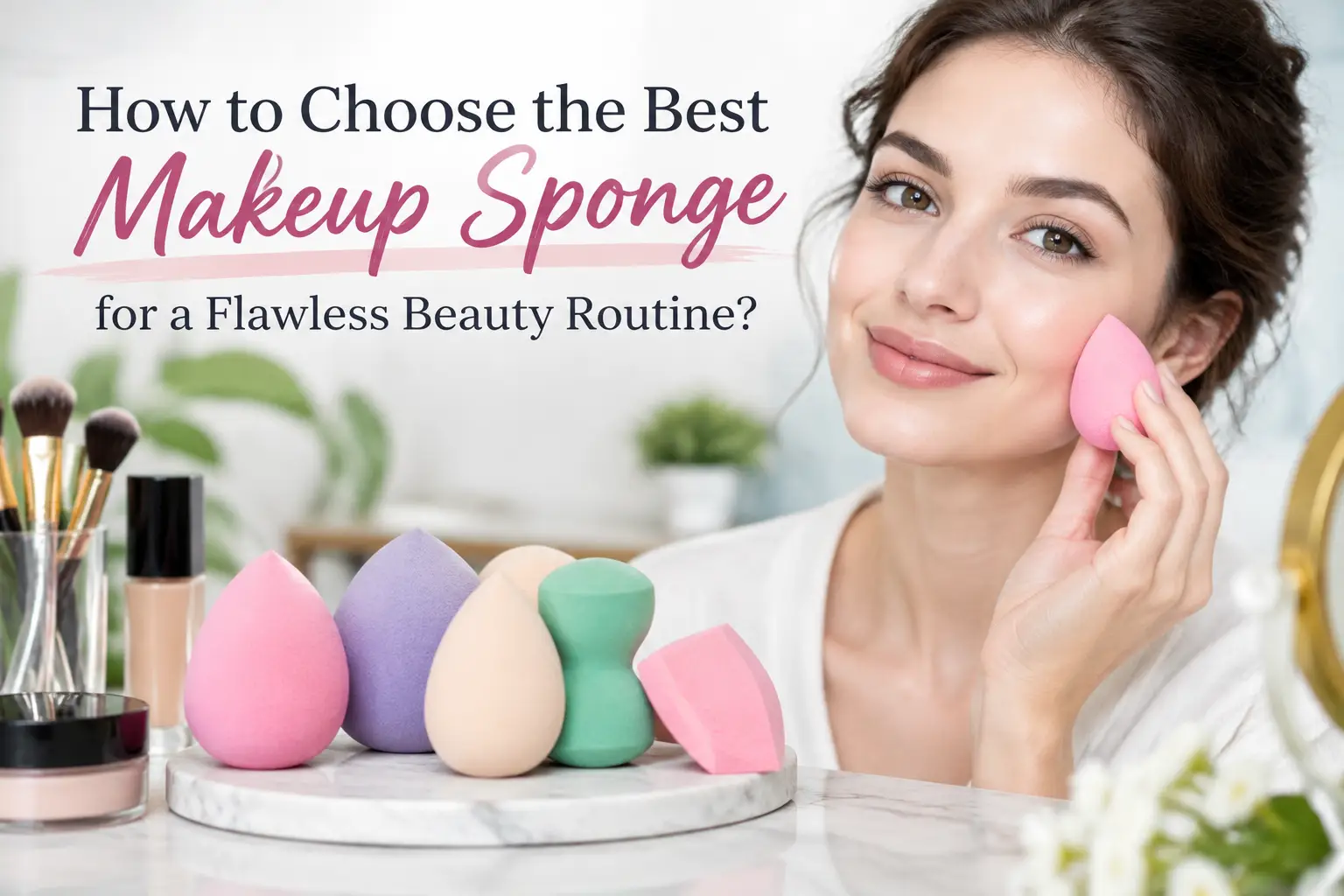
Different sponge shapes are created for different application needs. Choosing the right shape can improve the user experience and makeup result.
Teardrop Makeup Sponge
The teardrop sponge is one of the most popular designs. Its rounded base is ideal for blending foundation across large areas such as the cheeks, forehead, and chin. The pointed tip can reach smaller areas around the nose, eyes, and mouth.
This shape is suitable for beginners and everyday users because it is easy to control.
Flat-Edge Beauty Sponge
A flat-edge makeup sponge has one or more angled surfaces. The flat side is useful for contouring, baking, and applying product along the jawline. It can also help create more precise coverage.
This style is popular among users who want both blending and definition.
Mini Makeup Sponge
Mini sponges are designed for detailed work. They are often used for under-eye concealer, spot correction, nose contour, and highlighting small areas.
Mini beauty sponges are also popular in travel sets or multi-piece sponge kits.
Wedge Makeup Sponge
Wedge sponges are usually simple and affordable. They are often used by makeup artists, salons, or consumers who prefer disposable tools.
Although they may not be as soft as premium blending sponges, they are practical for one-time use or professional hygiene needs.
Why Latex-Free Makeup Sponges Are Popular
Latex-free makeup sponges have become a common choice in the beauty industry. Many consumers actively look for latex-free products because they are generally more suitable for sensitive skin and wider customer groups.
For brands and sellers, highlighting “latex-free” in product descriptions can improve customer confidence. It is also an important keyword for SEO because shoppers often search for safe, skin-friendly beauty tools.
A quality latex-free makeup sponge should be soft when dry, expand when wet, and return to its original shape after use.
Wet vs. Dry: How Should Customers Use a Makeup Sponge?
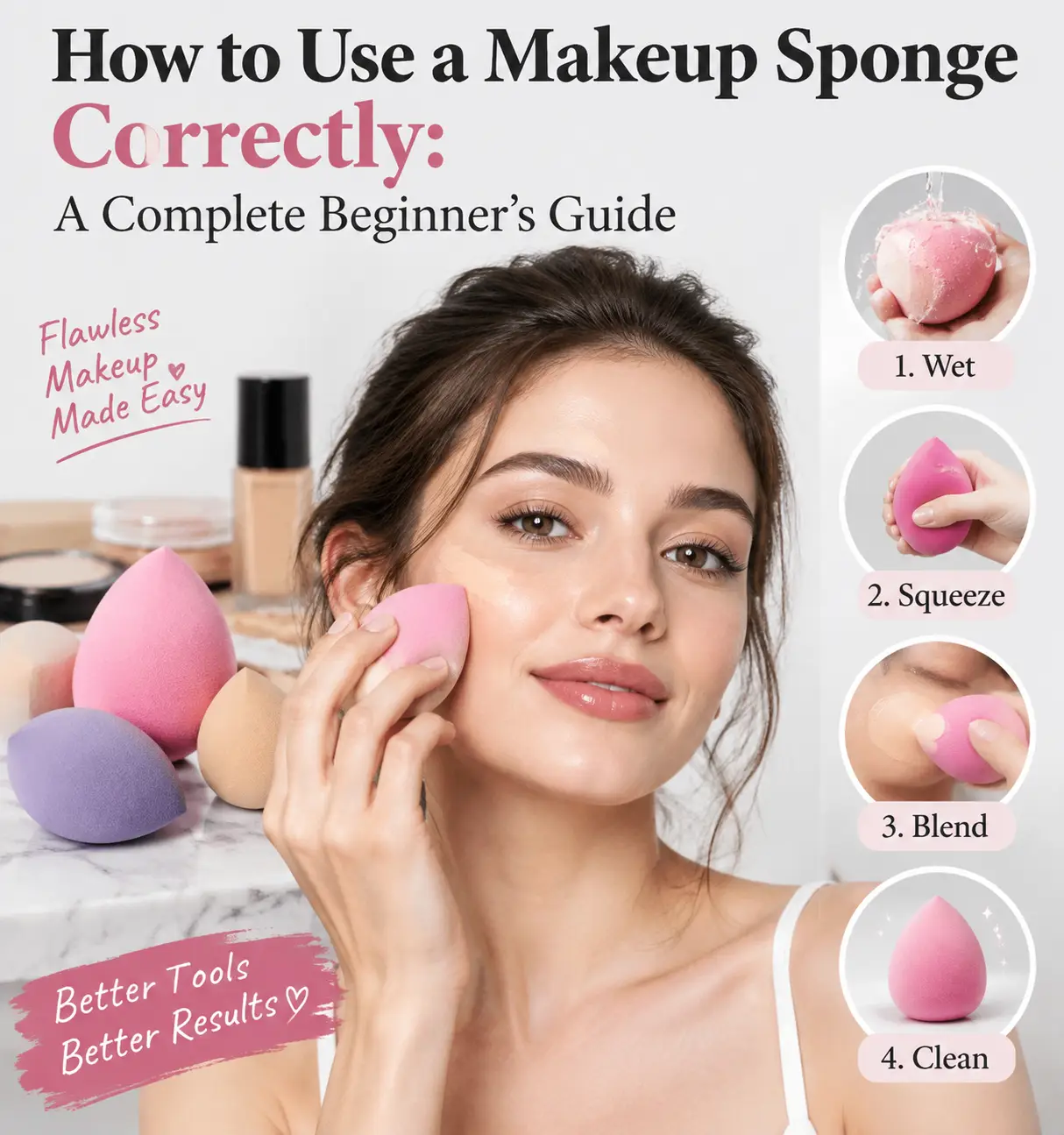
Most makeup users prefer using a damp makeup sponge for liquid and cream products. A damp sponge gives a softer finish and helps makeup blend more evenly.
To use it correctly, customers should:
- Wet the sponge with clean water.
- Squeeze out excess water.
- Wrap it in a towel and press gently.
- Use the sponge when it is damp but not dripping.
A dry sponge can be used when heavier coverage is needed, but it may absorb more product. For most everyday makeup routines, a damp sponge gives the best balance between coverage and natural finish.
Makeup Sponge vs. Makeup Brush
Many consumers compare makeup sponges with makeup brushes before buying. Both tools have advantages.
A makeup sponge is better for users who want a soft, natural, and seamless look. It is especially useful for liquid foundation and concealer.
A brush can apply makeup faster and may provide stronger coverage. However, it can sometimes leave streaks if not used correctly.
Many makeup artists use both tools: a brush to spread the product and a sponge to finish blending. This combination can create smooth, polished results.
How to Use a Makeup Sponge for Foundation
To apply foundation with a makeup sponge, place a small amount of product on the face or the back of the hand. Then use the rounded side of the sponge to bounce the product gently over the skin.
The key is to tap instead of drag. Dragging the sponge can move foundation around and create uneven areas. Bouncing helps press the product into the skin and blend the edges naturally.
Start from the center of the face and blend outward. Areas around the nose, mouth, and under the eyes can be blended with the pointed tip.
How to Use a Makeup Sponge for Concealer and Powder
For concealer, the pointed end of the sponge is usually the best choice. It can reach the inner corners of the eyes and blend product without applying too much pressure.
For powder, users can dip the sponge lightly into loose powder and press it onto the skin. This technique is useful for setting under-eye concealer or controlling shine around the T-zone.
A flat-edge sponge works well for baking because it can apply powder in a clean, even shape.
Cleaning and Replacing a Makeup Sponge
Cleaning is one of the most important parts of makeup sponge care. A sponge can collect foundation, oil, dead skin cells, and bacteria if it is not cleaned regularly.
Customers should wash their makeup sponge with gentle soap or sponge cleanser. After rinsing, they should squeeze out extra water and let the sponge air-dry in an open space.
A reusable makeup sponge should be replaced when it shows signs of damage, odor, or poor elasticity. For regular users, replacement every one to three months is a common recommendation.
Buying Tips for Beauty Brands and Retailers
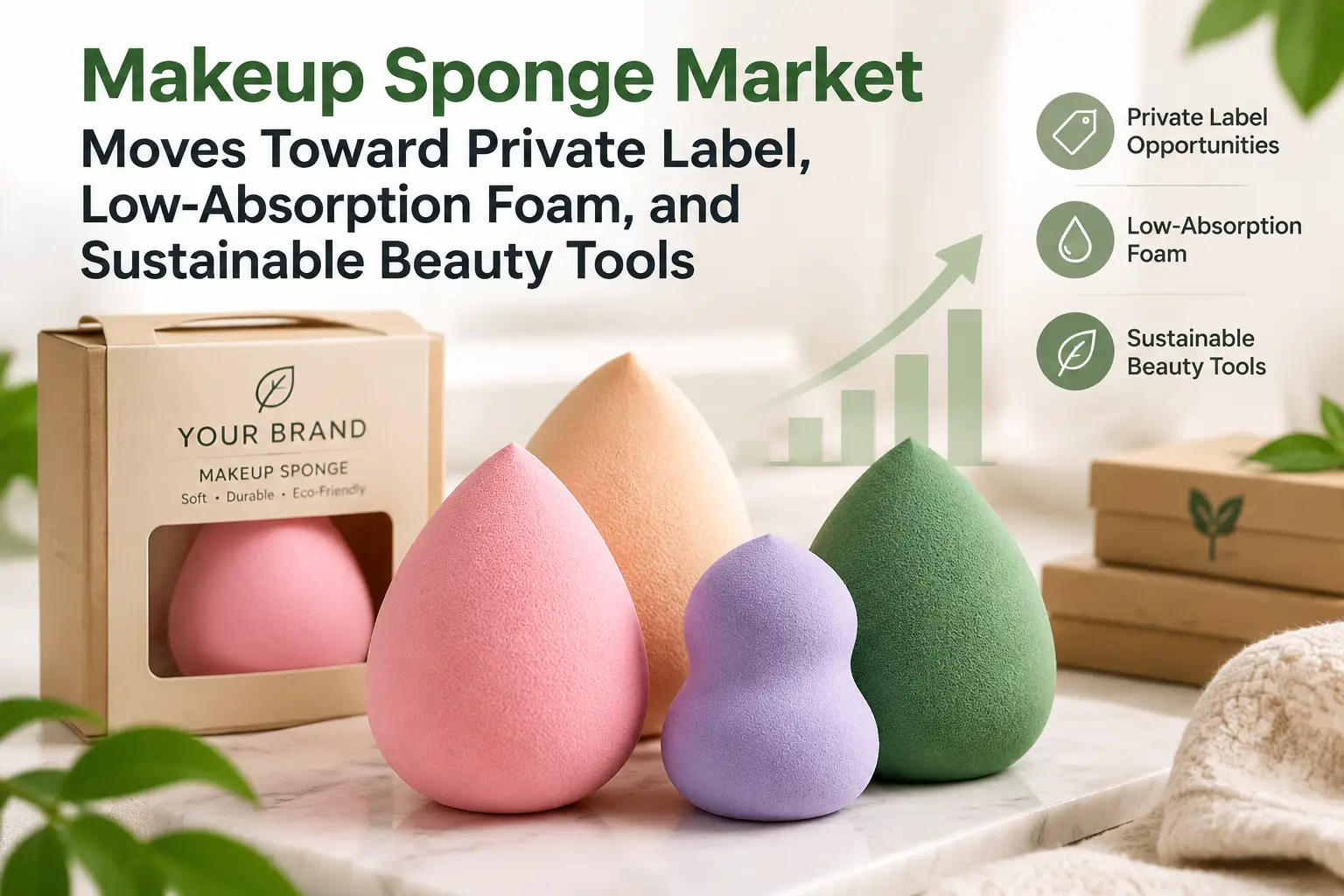
For businesses, makeup sponges can be a strong product category because they are lightweight, affordable, and easy to package in sets.
When sourcing makeup sponges, brands should consider:
- Material safety
- Softness and elasticity
- Water absorption
- Shape accuracy
- Color options
- Packaging design
- Logo customization
- Bulk order quality consistency
Product listings should include clear photos, size information, material descriptions, usage instructions, and cleaning tips. These details can improve buyer trust and help search engines understand the product page.
SEO Content Ideas for Makeup Sponge Sellers
Beauty businesses can create blog content around customer questions and search behavior. Useful SEO topics include:
- How to use a makeup sponge correctly
- Best makeup sponge for liquid foundation
- Makeup sponge vs. brush: which is better?
- How to clean a makeup sponge
- When to replace your beauty sponge
- Latex-free makeup sponge benefits
- Reusable makeup sponge care guide
- Private label makeup sponge for beauty brands
These topics can attract both consumers and business buyers while supporting product page rankings.
Conclusion
A makeup sponge is a small product with a big impact on makeup results. It helps users apply foundation smoothly, blend concealer naturally, and create a polished finish with less effort.
For consumers, the best makeup sponge is soft, latex-free, easy to clean, and suitable for different makeup products. For beauty brands and retailers, makeup sponges offer strong market potential because they combine practicality, affordability, and customization opportunities.
As beauty routines continue to focus on natural finishes and convenient tools, the makeup sponge will remain an essential product in the cosmetics industry.