Introduction
The makeup sponge has become one of the most recognizable tools in the global beauty industry. From professional makeup artists to everyday consumers, beauty sponges are widely used for applying foundation, concealer, contour, blush, and setting powder.
As makeup routines continue to focus on natural finishes, skin-like coverage, and easy application, the demand for high-quality makeup sponges remains strong. For beauty brands, wholesalers, and cosmetic retailers, understanding this product category can help improve product selection, customer satisfaction, and online visibility.
What Is a Makeup Sponge?
A makeup sponge is a soft cosmetic applicator designed to blend makeup products evenly onto the skin. It is commonly used with liquid, cream, and powder formulas.
Modern beauty sponges are often made from latex-free hydrophilic polyurethane foam. This type of material expands when damp, becomes softer, and helps create a smooth, even finish.
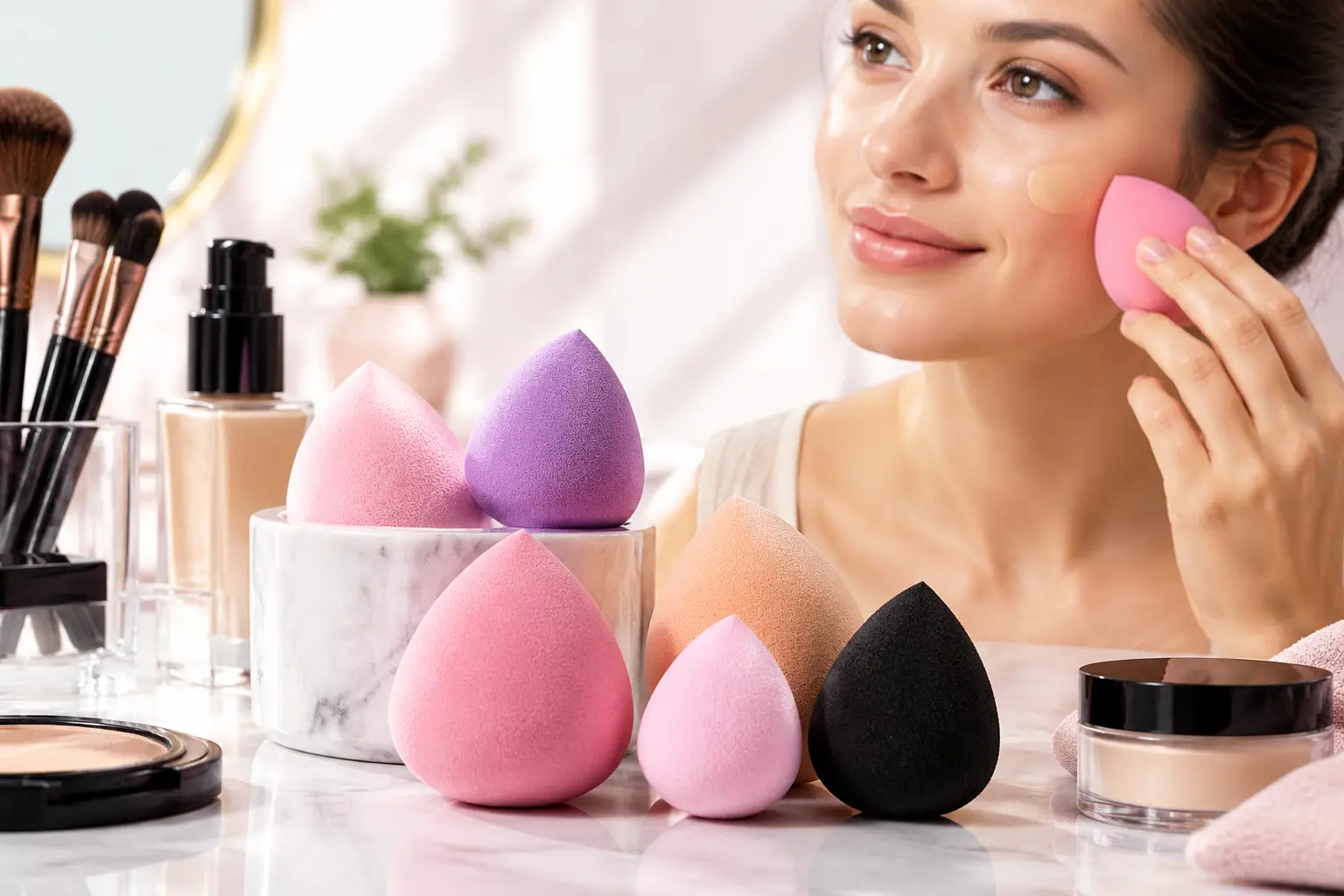
Common makeup sponge shapes include:
- Teardrop sponge
- Flat-edge sponge
- Mini precision sponge
- Wedge sponge
- Dual-ended sponge
- Powder puff-style sponge
Each design serves different makeup needs, from full-face foundation blending to detailed under-eye concealer application.
Why Makeup Sponges Are Popular
One of the main reasons makeup sponges are so popular is their ability to create a seamless finish. Unlike brushes, which may leave streaks, a damp makeup sponge presses product into the skin and helps blend edges naturally.
Consumers also prefer makeup sponges because they are easy to use. Even beginners can achieve a polished look with simple tapping motions. This makes the product attractive for both entry-level beauty users and professional makeup artists.
Another advantage is versatility. A single beauty sponge can be used for foundation, concealer, cream blush, contour, bronzer, and setting powder. This makes it a practical and affordable beauty tool.
Key Benefits of Using a Makeup Sponge
1. Smooth and Natural Finish
A damp makeup sponge helps foundation blend into the skin instead of sitting on top of it. This creates a soft, natural appearance that matches current beauty trends.
2. Buildable Coverage
Users can apply a thin layer for everyday makeup or add more product for fuller coverage. The sponge allows controlled application without making the makeup look heavy.
3. Multi-Product Compatibility
Makeup sponges work well with liquid, cream, and powder cosmetics, making them useful across different makeup routines.
4. Beginner-Friendly Application
The bouncing technique is simple and easy to learn. This increases product appeal among younger consumers and casual makeup users.
5. Travel-Friendly Design
Beauty sponges are lightweight, compact, and easy to carry, making them ideal for travel kits and daily makeup bags.
Industry Trends in Makeup Sponge Products
The makeup sponge market has evolved significantly in recent years. Consumers are no longer looking only for low-cost beauty tools. They now care about material quality, skin safety, durability, and sustainability.
Latex-Free Materials
Latex-free makeup sponges are now widely preferred because they are suitable for more skin types. Many brands highlight “latex-free” as a key selling point in product listings and packaging.
Reusable Beauty Sponges
Reusable makeup sponges are popular among consumers who want better value and less waste. A washable sponge can be used repeatedly when cleaned properly, making it more sustainable than disposable options.
Unique Shapes and Colors
Brands use custom shapes, colors, and packaging to stand out in a competitive market. Flat edges, pointed tips, and curved surfaces help create functional differences while also improving visual appeal.
Private Label and Custom Packaging
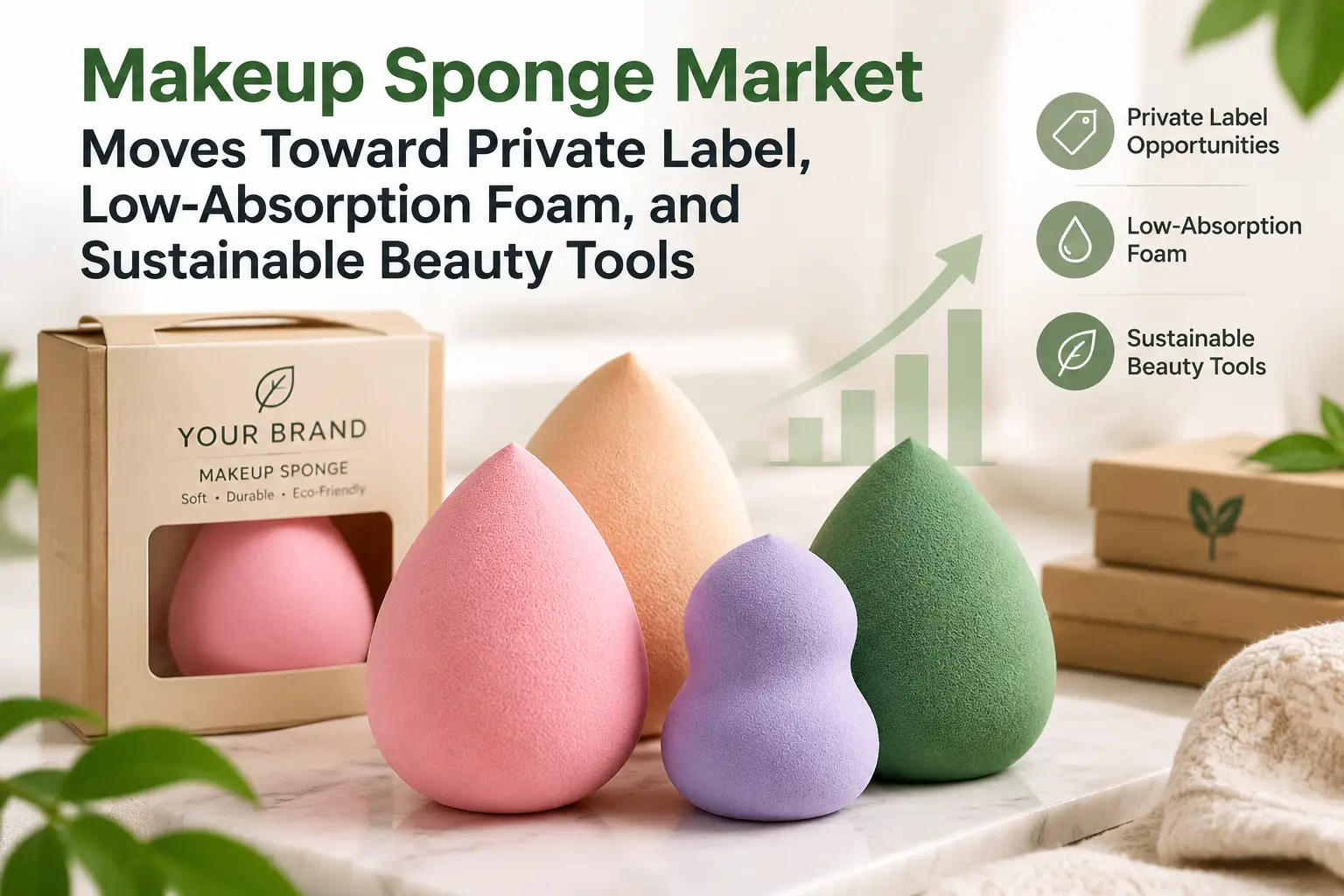
For beauty businesses, private label makeup sponges are a strong product opportunity. Custom colors, logo printing, and branded packaging can help build brand recognition and increase perceived value.
How to Choose a High-Quality Makeup Sponge
For brands, distributors, and retailers, product quality is critical. A good makeup sponge should feel soft, elastic, and durable.
Important quality factors include:
- Soft latex-free material
- Good water absorption
- Smooth surface texture
- Strong rebound after squeezing
- No unpleasant odor
- Minimal product waste
- Tear-resistant structure
- Attractive shape and packaging
A high-quality sponge should expand when wet and return to its shape after use. It should also blend makeup evenly without leaving patchy areas.
How Consumers Use Makeup Sponges
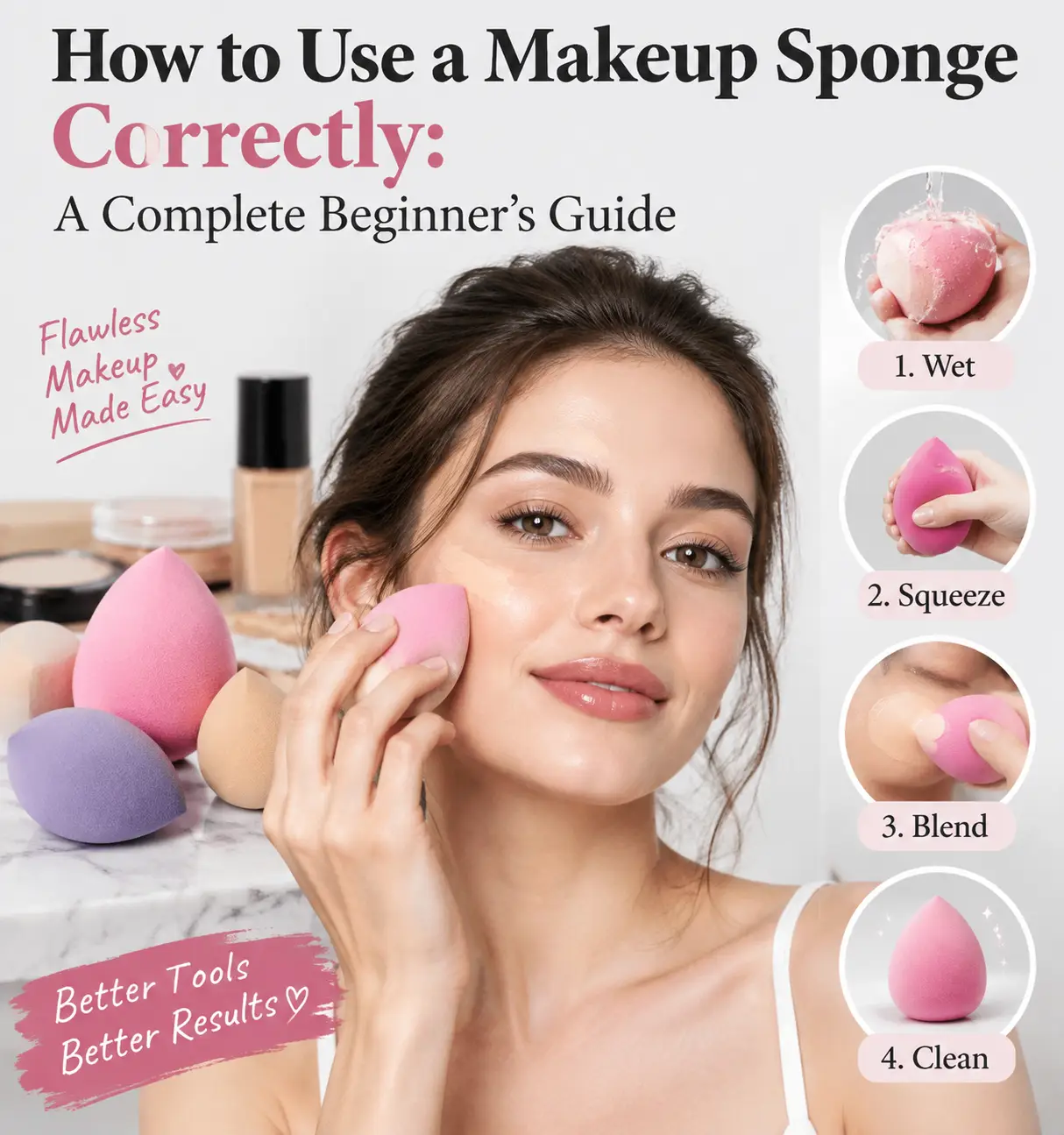
Most consumers use makeup sponges damp. After wetting the sponge, they squeeze out excess water until it becomes soft but not dripping. Then they use a tapping or bouncing motion to apply makeup.
The rounded side is usually used for larger areas such as the cheeks and forehead. The pointed tip is useful around the eyes, nose, and mouth. A flat edge can help with contouring and setting powder.
Educating customers on proper usage can improve their experience and reduce negative reviews caused by incorrect application.
Cleaning and Maintenance
Hygiene is an important topic in the makeup sponge category. Since sponges absorb makeup, oil, and water, they should be cleaned regularly.
Consumers should wash their makeup sponge with gentle soap or a sponge cleanser, rinse it thoroughly, and allow it to dry in a ventilated area. A damp sponge should not be stored in a closed makeup bag because poor airflow can affect cleanliness.
Most reusable makeup sponges should be replaced every one to three months, depending on usage frequency and cleaning habits.
SEO Opportunities for Makeup Sponge Brands
For beauty brands selling makeup sponges online, SEO content can help attract organic traffic. Useful keyword topics include:
- Best makeup sponge for foundation
- How to use a makeup sponge
- Makeup sponge vs brush
- How to clean makeup sponge
- Latex-free makeup sponge
- Reusable makeup sponge
- Makeup sponge manufacturer
- Private label beauty sponge
Product pages should include clear descriptions, material details, usage instructions, care tips, and high-quality images. Blog content can support the product page by answering common customer questions and improving search visibility.
Conclusion
The makeup sponge remains a core product in the beauty industry because it is practical, affordable, and easy to use. As consumers continue to seek natural-looking makeup and convenient beauty tools, demand for high-quality beauty sponges is likely to remain strong.
For beauty brands, retailers, and wholesalers, choosing the right makeup sponge means focusing on material quality, user experience, design, and packaging. With the right product strategy and SEO content, makeup sponges can become a valuable category in any cosmetics business.
FAQ
What is a makeup sponge used for?
A makeup sponge is used to apply and blend foundation, concealer, blush, contour, highlighter, and powder.
Is a makeup sponge better than a brush?
A makeup sponge usually creates a softer and more natural finish, while a brush may provide faster application and stronger coverage.
Should a makeup sponge be used wet or dry?
Most users prefer using a makeup sponge damp because it becomes softer and helps blend makeup more smoothly.
How often should you clean a makeup sponge?
A makeup sponge should ideally be cleaned after every use or at least several times per week.
How long does a reusable makeup sponge last?
A reusable makeup sponge usually lasts one to three months, depending on product quality, cleaning habits, and frequency of use.